Tales from Beyond: Bisi Alimi
What do people do post-Mastered? In our Tales from Beyond series, graduates of our business coaching programme share their many (and varied) stories, from career changes and professional transformations to breakthroughs in their coaching practice. These stories offer a glimpse into what’s possible when leaders invest in themselves.
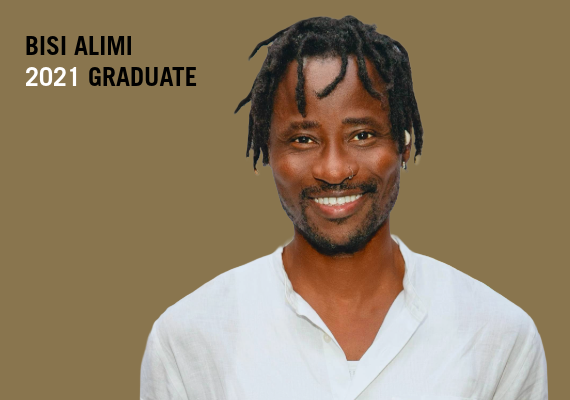
This month we heard from Bisi Alimi, a 2021 Mastered graduate and recipient of the John Stopford Scholarship. Bisi reflects on their professional journey before embarking on the programme, how the programme has impacted the way that they lead and the ways in which coaching is now a thread woven into workplace training.
What were you doing before the Mastered Programme?
I was working with a UK registered LGBTQI+ charity that was committed to supporting and working with people across West Africa. The foundational work of this charity was to accelerate social acceptance of LGBTQI+ people across West Africa.
Before Mastered, I was coached by someone who received the John Stopford Scholarship a year earlier. I found the coaching process completely different from the therapy I had experienced. After a few months of coaching, I remember clearly when she told me, “You will be a great coach.” Initially, I found it funny and nice, but after she said it, she suggested I apply for the scholarship. I took the chance and applied, and I was very lucky to be selected.
What have you been doing since graduating from the Mastered programme?
Since graduating, I have stepped away from this charity role, and I am now the Executive Director of Wikimedia LGBT. Alongside this, I also run my own consultancy practice with my executive coach training a core element in the offering. Having a coaching approach is central to myself in how I work and as a leader, and until going through the Mastered programme and training as a coach, was something I was doing without knowing I was doing.
What impact did the Mastered programme have for you? What are you doing differently?
For me, it was life changing. On a personal level, it gave me the space for a much deeper level of introspection. Professionally, I found myself listening far more and being more intuitive about things. If I was to think of my life as a jigsaw, the programme was one of the big missing puzzle pieces that I never knew was needed.
Since Mastered, I have taken on more leadership roles and officially introduced coaching as part of my leadership style. My reflective essay (one of the programme requirements for graduating) focused on using coaching in developing markets as a way to build empathic leadership skills. Immediately after graduation, I set up Zihone (meaning elephant). In many developing economies, there is a lack of emphatic leaders, which creates a toxic workplace culture and low productivity. My work is to support leaders in reorienting these skills towards a more inclusive workplace culture. I worked with many companies in Nigeria to develop workable modules using the GROW coaching model.
What was the most valuable skill learnt from Mastered?
Listening. And not just listening to reply as we all so often do, but listening to hear what is not being said, in relation to what is being said. This for me was the most valuable skill. But also the ability to ask empowering leading questions that provide a safe space for the person answering.
Anything else?
Thank you for the opportunity you have given me to experience this. In the future I see myself continuing to take on more leadership roles and improving my coaching skills.
About Bisi Alimi
Bisi Alimi is currently in role as the Executive Director of Wikimedia LGBT and the Creative director of Vengiance Productions Ltd. A recipient of the John Stopford Scholarship, Bisi graduated from the Mastered programme in 2021.
Subscribe
Join our mailing list to be informed of the new Meyler Campbell Insight resources as they are published